The tenant right to quiet enjoyment is a cornerstone of your legal protection, making sure you can live in your rental property peacefully and without unreasonable interference from your landlord. It’s not about literal silence, but something much more fundamental: your right to privacy, security, and the full benefit of your home. Crucially, this is an implied term in every single tenancy agreement across the UK, whether it’s written down or just a verbal agreement.
What Is Quiet Enjoyment in a Tenancy?

Think of your rented room as your own private sanctuary. The right to quiet enjoyment is the legal shield that protects it, guaranteeing you can use your home as you’re meant to, free from undue disturbance. It’s a fundamental right that’s automatically part of every tenancy, giving you a powerful layer of security from the day you move in.
Despite the name, this right has very little to do with noise levels. Instead, it’s all about your landlord's actions. It’s essentially a promise that they, or anyone acting for them, won't disrupt your ability to live peacefully in the property. This isn't a new idea, either; it’s a concept that has been a bedrock of UK tenancy law for centuries, evolving to protect tenants from unlawful interference.
Core Principles of Quiet Enjoyment
This right is built on a few straightforward but essential principles. Getting your head around them helps clarify what you're entitled to as a tenant and what your landlord’s responsibilities are. These protections are designed to balance a landlord's ownership of the property with your right to treat it as your home.
The main pillars holding up your right to quiet enjoyment include:
- Undisturbed Possession: You have the exclusive right to live in your home without unexpected visits or intrusions from the landlord.
- Freedom from Harassment: Your landlord cannot behave in a way that is intended to make you feel uncomfortable or force you to leave.
- Use of the Property: You can use your home for all the normal things associated with living somewhere—like cooking, sleeping, and relaxing—without being interrupted.
This legal covenant acts as an invisible clause in your tenancy agreement. It confirms your home is yours to control during the tenancy, providing a crucial safeguard against a landlord overstepping their boundaries.
Beyond the Written Agreement
This is the really important bit: the tenant right to quiet enjoyment exists even if it’s not written down anywhere in your contract. It's what's known as an "implied covenant," meaning the law automatically writes it into your agreement. This ensures every tenant in the UK benefits from this protection, no matter what kind of tenancy they have.
This implied right stops landlords from creating loopholes by simply leaving it out of the paperwork. For you, the tenant, it means you can be confident that your privacy and peace are legally protected. For more practical advice on renting and your rights, check out the various resources on our blog.
What a Breach of Quiet Enjoy-ment Actually Looks Like
It can be tricky to know when a landlord’s actions cross the line from annoying to an actual legal breach. The tenant right to quiet enjoyment becomes much clearer when you see what a violation looks like in the real world. A breach isn’t just about huge disruptions; it’s any action from your landlord that seriously gets in the way of you living peacefully and using your home as it was meant to be used.
These aren't just minor inconveniences. They're situations that move firmly into the territory of unlawful interference. Recognising these examples is the first step toward knowing your concerns are valid and taking the right steps to protect your peace.

Unauthorised or Unannounced Visits
One of the most common and clear-cut breaches is a landlord, agent, or contractor entering your home without giving you proper notice. Your tenancy agreement grants you exclusive possession of the property, which means it’s your private space.
Except for a genuine emergency—like a fire, flood, or gas leak—your landlord absolutely must give you at least 24 hours’ written notice before they visit. Just turning up for a routine inspection, showing the property to potential new tenants without any warning, or letting themselves in to do non-urgent repairs are all direct violations of your rights.
When visits are constantly unannounced, it can leave you feeling on edge, completely eroding your sense of security and privacy in your own home.
Harassment and Intimidation
Landlord harassment is a very serious breach of your right to quiet enjoyment. It’s also illegal under the Protection from Eviction Act 1977. At its core, harassment is any behaviour deliberately intended to disrupt your life, make you feel unsafe, or pressure you into leaving.
This can show up in a few different ways:
- Persistent Contact: Bombarding you with too many phone calls, texts, or emails, especially at unsociable hours.
- Threats: Threatening eviction without following the correct legal process or using intimidating language.
- Verbal Abuse: Using aggressive or insulting language when speaking to you or your guests.
- Spying: Watching your comings and goings or doing anything that makes you feel like you're being monitored.
These aren't just examples of a bad landlord; they are deliberate acts that fundamentally undermine your right to live peacefully.
Disruption of Essential Services
Another severe form of interference is when a landlord purposely cuts off or limits your access to essential utilities. This is a tactic sometimes used to try and illegally force a tenant out.
A landlord cutting off your gas, electricity, or water supply, even for a short time, is a serious breach. It makes the property uninhabitable and directly infringes on your ability to use your home for its main purpose.
This also covers failing to sort out essential repairs promptly. If you’re left without heating or hot water for a long time because of the landlord's negligence, this can also be considered a major interference with your quiet enjoyment, as it stops you from living comfortably.
Excessive or Unreasonable Disruptions
While landlords do need to carry out repairs and maintenance, these jobs have to be done in a reasonable way. A breach happens when the disruption caused is excessive, goes on for too long, or is done at unreasonable times.
For instance, scheduling major renovation work—like ripping out a kitchen or bathroom—without talking to you first or offering any alternative arrangements would be a violation. Likewise, having builders start work very early in the morning or over weekends without your agreement seriously interferes with your home life.
The key word here is reasonableness. Necessary work crosses the line into a breach when it shows a complete disregard for your right to live without significant disturbance.
The Legal Foundations Protecting Your Tenancy
Your right to quiet enjoyment isn't just a polite suggestion landlords are meant to follow; it's a powerful legal principle, hardwired into UK tenancy law. It’s your guarantee that you can live in your home without your landlord, or anyone acting for them, getting in the way.
Understanding where this right comes from is key. It gives you the confidence to stand your ground if your peace is ever threatened. The protection is robust because it's built on a dual foundation: centuries-old common law principles working alongside specific Acts of Parliament.
The Power of Common Law
Long before we had modern tenancy acts, the courts already understood a simple truth: a tenancy is pretty worthless if the landlord can just barge in whenever they feel like it. This basic idea evolved over hundreds of years into what we now call the "covenant of quiet enjoyment," a fundamental promise that's automatically included in every rental agreement, whether it's written down or not.
Think of common law as a rulebook built from real-life disputes and judges' decisions over centuries. These historical cases established that as a tenant, you have a right to "exclusive possession" of your property. In simple terms, this means you control who comes in and when. For the time you're paying rent, it's your private space.
This common law covenant is the bedrock of your protection. It confirms that your landlord's ownership doesn't give them a free pass to disrupt your home life, a principle that courts have defended for generations.
And it’s about far more than just noise. The covenant protects you from a whole range of landlord interference, from unannounced visits to outright harassment.
Key UK Legislation
While common law gives us the core principle, Parliament has stepped in to add extra layers of protection and create serious consequences for landlords who break the rules. These laws give your rights some real teeth.
Two of the most important pieces of legislation you should know about are:
- The Protection from Eviction Act 1977: This is a game-changer. It makes it a criminal offence for a landlord to harass you or try to illegally evict you. Actions like cutting off your water, changing the locks while you're out, or using threats aren't just a breach of your tenancy—they're actual crimes.
- The Landlord and Tenant Act 1985: This act clearly lays out a landlord's responsibilities, including the crucial duty to keep the property in good repair. A landlord who refuses to fix a broken boiler in winter isn't just failing a repair duty; they could also be breaching your right to quiet enjoyment by making your home impossible to live in.
It can also be useful to understand the legal boundaries for security personnel, especially if a landlord uses a firm to manage a building or deal with tenants.
How the Courts Define "Quiet Enjoyment"
Over the years, countless court cases have helped shape what "quiet enjoyment" really means in the real world. Judges don't look for minor annoyances; they ask what a "reasonable" person would consider a substantial interference with their home life.
For example, a landlord scheduling weeks of major, noisy construction work without any warning or agreement would almost certainly be seen as a breach. These legal challenges have consistently clarified the balance. A landlord has a right to access their property for legitimate reasons, like an urgent repair, but this must be weighed against your fundamental right to live in peace. This ongoing legal conversation ensures the tenant right to quiet enjoyment remains a powerful and relevant protection for modern renters.
Your Step-By-Step Plan to Resolve the Issue
Knowing your tenant right to quiet enjoyment is one thing, but figuring out what to do when your peace is shattered can feel completely overwhelming. This practical, step-by-step guide is designed to give you a clear plan of action. We’ll move logically from informal chats and gathering evidence to formal complaints and, if needed, getting outside help.
The first and most important rule is this: document absolutely everything. This isn't just a helpful tip; it's the foundation of any successful complaint. Memories fade, but a detailed written record is powerful, objective proof.
Start a diary or log immediately. For every single incident, no matter how small it seems, write down the date, time, and a factual description of what happened. If the problem is noise, note how long it went on for and the impact it had on you. If it was an unannounced visit, jot down who turned up and what was said.
Stage 1: Start with Communication and Documentation
Before jumping to the official route, the best first move is often a simple, informal chat with your landlord or their letting agent. It's entirely possible they don't even know there's a problem, especially if it involves contractors or other tenants. A calm, clear conversation can sometimes nip the issue in the bud.
That said, always follow up any phone call or face-to-face chat with a written summary. An email is perfect for this, as it creates a dated digital paper trail. This shows you've been reasonable and tried to sort things out amicably right from the start.
Your evidence-gathering should include:
- A Detailed Log: As we’ve said, this is your core evidence. Be specific and stick to the facts.
- Photos and Videos: If the breach involves property damage, unfinished repairs, or evidence of someone entering your home, visual proof is invaluable.
- Witness Statements: If your neighbours or friends have seen or heard the disruption, ask if they’d be willing to provide a short, signed statement about what they witnessed.
- Copies of All Communication: Keep a copy of every single email, text message, and letter you send and receive about the problem.
Stage 2: Writing a Formal Complaint Letter
If informal chats aren’t getting you anywhere, it’s time to make things official. A formal letter or email clearly lays out the problem, details the specific breaches of your tenant right to quiet enjoyment, and states what you expect to happen next. This letter is crucial evidence that you have formally put your landlord on notice.
Keep your letter firm but professional. Try to avoid emotional language and focus on the cold, hard facts you've recorded in your log. Clearly state that their actions (or lack of action) are a breach of your right to quiet enjoyment, which is an implied term of your tenancy agreement.
Sample Wording You Can Adapt:
"I am writing to formally complain about a series of incidents that are breaching my right to quiet enjoyment at [Your Address]. Specifically, on [Date], [describe incident]. This follows a previous occurrence on [Date], when [describe incident]. These actions are preventing me from peacefully occupying my home. I request that you take immediate steps to ensure these disturbances cease."
Finish your letter by setting a reasonable deadline for them to respond (e.g., 14 days) and mention what you’ll consider doing next if the issue isn’t resolved, like contacting the local council or seeking legal advice.
Stage 3: Escalating Your Complaint
If your landlord ignores your formal complaint or fails to sort the problem out, you need to escalate. You are not alone in this, and there are several organisations ready to help you enforce your rights.
Your local council can be a powerful ally. Most councils have a Tenancy Relations Officer (or a private sector housing team) whose job is to investigate disputes between tenants and landlords. They can mediate, issue formal warnings to the landlord, and in serious cases of illegal eviction or harassment, they can even prosecute.
Getting professional legal advice is another solid option. A solicitor who specialises in housing law can assess your situation and tell you about your chances of success in court, which could include claiming compensation. Many offer a free initial consultation. The courts can award damages for the distress caused, often calculated as a percentage of your rent for the period the disruption occurred. In one landmark case, Timothy Taylor Ltd v Mayfair House Corporation, a tenant was awarded damages equal to 20% of their annual rent because of disruptive building works.
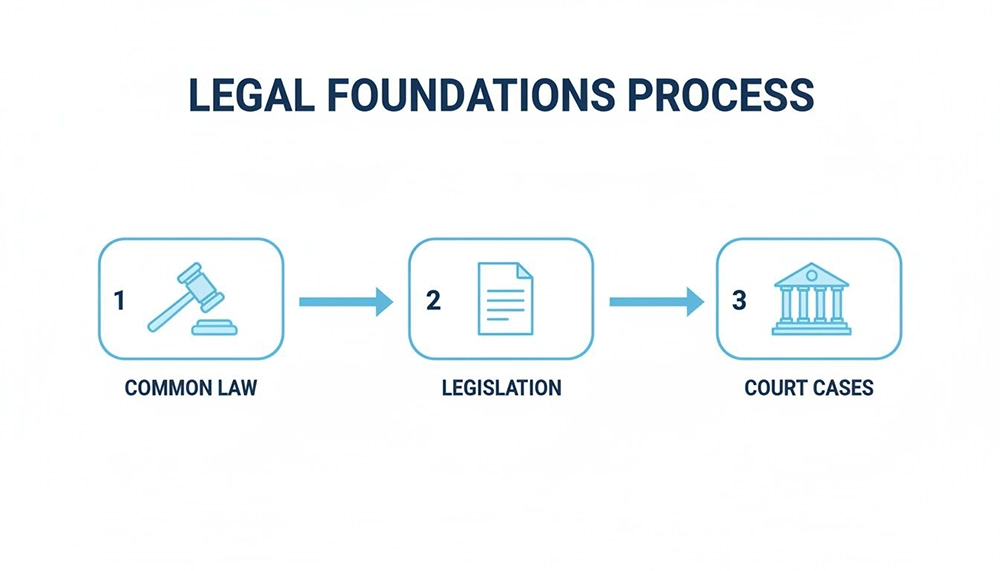
As you can see, your right is built on a solid legal foundation, from its common law roots to modern court rulings. This gives you a strong standing when you need to take things further.
Finally, fantastic organisations like Citizens Advice and Shelter offer free, impartial guidance on all sorts of housing issues. They can help you understand your options and even help you draft letters. If you are looking for assistance or have further questions about your tenancy, please feel free to contact our team for support.
A Landlord's Guide to Respecting Tenant Rights
For any landlord or property manager, getting your head around a tenant's right to quiet enjoyment isn't just about ticking a legal box—it's the bedrock of a good tenancy. If you treat this right as a cornerstone of your business, not a burden, you'll find you have happier tenants, longer lets, and far fewer headaches and costly disputes.
It all boils down to professionalism and clear communication. You absolutely have a right to access and maintain your property, but that has to be balanced with your tenant’s fundamental right to live in peace without you turning up unannounced. Nailing this balance is the secret to a respectful and stable rental relationship.
The Non-Negotiables of Landlord Conduct
Some actions are so fundamental to respecting quiet enjoyment they're not really up for debate. Think of them less as 'best practices' and more as the golden rules of being a responsible landlord, the things that keep you well within the law and prevent minor issues from blowing up.
Top of the list? Giving proper notice before you enter the property. Unless there’s a genuine emergency like a flood or a fire, you must give your tenant a minimum of 24 hours' written notice. This isn't optional, and it applies to everything from routine inspections and viewings to non-urgent repairs.
You also need to be considerate about the timing of any maintenance work. Arranging for builders to start drilling at 7 am or letting major repairs drag on for weeks without a clear schedule is a fast track to a serious breach. Always schedule work for reasonable hours and keep your tenant in the loop about how long it will take and what disruption to expect.
Best Practices for Proactive Management
Going beyond the absolute rules, a bit of proactive management can stop problems from ever starting. A positive landlord-tenant relationship isn't just about collecting rent; it's about creating an environment where both parties feel respected.
Here are a few strategies that make a huge difference:
- Keep Communication Lines Open: A quick, professional email or text to let a tenant know about upcoming inspections or works goes a long way. It shows respect for their time and home.
- Jump on Issues Quickly: When a tenant reports a problem—whether it’s a leaky tap or a noisy neighbour—deal with it swiftly. Ignoring complaints is one of the easiest ways to let a small issue escalate into a breach of quiet enjoyment.
- Don't Skimp on Safety: Making sure the property is safe is a massive part of your duty as a landlord. To stay compliant, it's vital to review essential information for landlords on gas safety certificates and ensure you meet all legal standards.
By treating the tenant right to quiet enjoyment with the seriousness it deserves, you’re not just being a good landlord—you’re investing in the long-term health of your property business. It directly leads to lower tenant turnover, fewer void periods, and a reputation that attracts great tenants.
At the end of the day, a property with happy, respected tenants is a far more valuable and less stressful asset. Landlords looking to find responsible tenants who value this professional approach can use a dedicated platform to connect with the right people from the start. A trusted service helps you effectively register as a landlord to advertise your rooms and attract high-quality applicants.
How Quiet Enjoyment Works for Lodgers and in HMOs
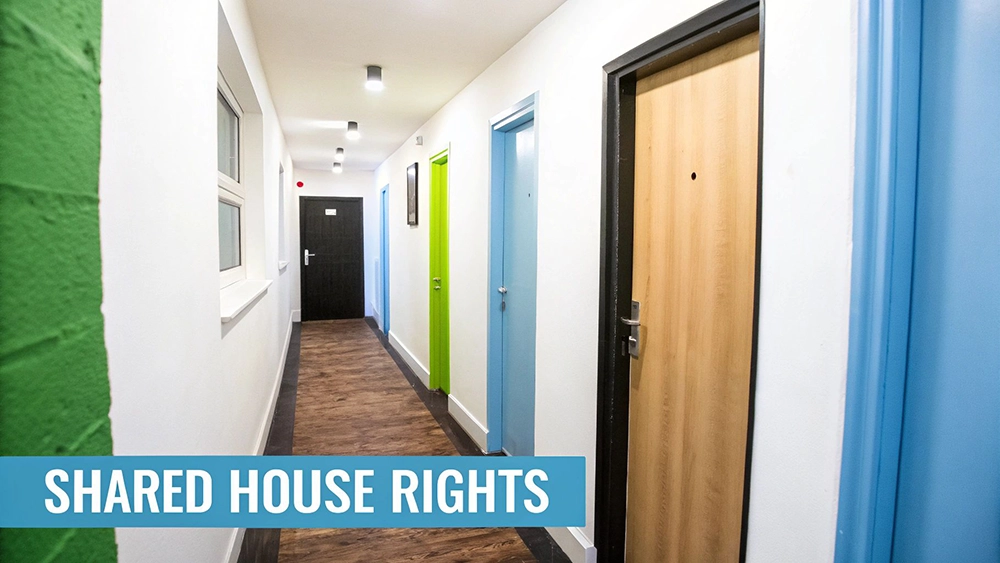
Not every rental situation is a clear-cut case of one tenant in a self-contained flat. Across the UK, thousands of people live as lodgers or in Houses in Multiple Occupation (HMOs), and it’s vital to understand how the tenant right to quiet enjoyment adapts to these shared living arrangements.
The core principle of being able to live in your home peacefully still stands, but the lines can get a little blurry when you share facilities with your landlord or a group of other tenants. Knowing exactly where you stand is the key to protecting your own space.
What Are Your Rights as a Lodger?
A lodger is someone who rents a room in their landlord’s own home, sharing common areas like the kitchen or bathroom with them. Because you're living in their primary residence, this setup offers fewer legal protections than a standard tenancy; you are technically a licensee, not a tenant.
However, that absolutely doesn’t mean you have no rights. While a landlord naturally has more freedom to move around the shared areas of their own home, they can't just barge into your private room without permission. Even more importantly, you are still protected from harassment under the Protection from Eviction Act 1977. Your landlord cannot legally make your life a misery to try and force you out.
For a lodger, the right is less about the full legal weight of 'quiet enjoyment' and more about the fundamental right to be free from harassment. It’s a balancing act: the landlord’s right to access their own home versus your right to live peacefully in your room.
Quiet Enjoyment in HMOs
Living in an HMO brings its own unique dynamics. You’ll have a tenancy agreement for your own room but share communal areas like the kitchen, living room, and bathrooms with other people who aren't your family.
Your tenant right to quiet enjoyment is at its strongest within the four walls of your own lockable room. Just like in a standard tenancy, your landlord must give you at least 24 hours' written notice before they can enter your private space. They can't use their key to the communal areas as a free pass to enter your room whenever they feel like it.
Things get more complicated in the shared spaces. The landlord has a clear responsibility to manage the property properly, and that includes stepping in to deal with antisocial behaviour from other tenants that genuinely disturbs everyone else's peace.
In an HMO, your landlord's duties include:
- Managing Nuisance: They must take reasonable steps to address significant and persistent noise or disruption caused by other tenants.
- Maintaining Shared Areas: It’s their job to keep communal spaces in good repair, but they need to do so without causing excessive or unreasonable disruption to the people living there.
- Respecting Private Space: They must always provide proper notice before entering your individual room for inspections, repairs, or any other reason.
Frequently Asked Questions
When you're trying to get to grips with your rights as a tenant, a few common questions always seem to pop up. Let's tackle some of the most frequent queries about the right to quiet enjoyment head-on, giving you clear, practical answers for real-world situations.
Think of this as a quick reference to reinforce what we've covered, making sure you have the key facts ready when you need them most.
Can My Landlord Enter My Room Without Permission in an HMO?
Absolutely not. Even if you're living in a House in Multiple Occupation (HMO), your individual room is your private space. Just like a self-contained flat, your landlord must give you at least 24 hours' written notice before entering your room.
While they can access shared areas like the kitchen or living room for inspections and repairs, that right stops at your bedroom door. The only exception is a genuine emergency, like a fire or a major flood coming from your room that requires immediate action.
Does Quiet Enjoyment Cover Noise from My Neighbours?
This is a common source of confusion, and the answer is usually no—not directly. Your right to quiet enjoyment is a protection against interference from your landlord or someone acting on their behalf, like an agent or a builder. It doesn't automatically cover a noisy neighbour who has a completely different landlord.
However, the situation changes if your neighbour is also a tenant of your landlord. In that case, your landlord may have a duty to step in and enforce the terms of the other tenant's agreement to stop the nuisance. For persistent noise, you can also report it to your local council's environmental health team, who have the power to investigate.
Your primary tool against landlord interference is the covenant of quiet enjoyment. For neighbour disputes, your first point of contact should be your landlord (if they are also the neighbour's landlord) or the local council.
What Compensation Can I Get for a Breach?
If you take your landlord to court and win, you can be awarded damages for the breach. The amount you get isn't fixed; it really depends on how severe the disruption was and how long it lasted.
There are a couple of common ways courts calculate this:
- A Rent Reduction: You might get a partial refund of your rent for the period you were disturbed. This is often worked out as a percentage, reflecting how much the breach diminished your ability to use and enjoy your home.
- A Lump Sum Payment: For more serious cases, particularly those involving harassment, illegal eviction, or significant distress, the court may award a specific financial sum.
Do I Have This Right if I Am a Lodger?
As a lodger, your legal standing is a bit different because you have a 'licence to occupy' rather than a full tenancy. This means the formal covenant of quiet enjoyment doesn't apply in the same way it does for tenants.
But that doesn't leave you without protection. You are still legally protected from harassment. Your landlord can't make your life a misery to force you out, and they can't just barge into your private room whenever they please. The fundamental principle of being able to live in peace still holds, even if the legal label is different.
Finding the right room or tenant is crucial for a peaceful tenancy. Rooms For Let connects responsible landlords with great tenants across the UK, making it easier to find a harmonious house share. Discover your next room or advertise your space today at https://www.roomsforlet.co.uk.